Sunday, May 10, 2026

वो कोना - क्या है अपना?

एक अपनी जगह की तलाश में
हम लोगों ने बना लिये हैं
अपने लिये एक-एक कोने।

भीड़ हो, तन्हाई हो,
ट्रेन हो या बस का सफ़र,
कार हो या प्लेन,
ये कोना साथ ही चलता है हमारे।

उंगलियां थिरकती हैं कोने पर,
और अपलक आंखें
उसे निहारती रहती हैं।

इस छोटे-से कोने में
सिमट आई है दुनिया
दोस्त, बाज़ार, प्रेम,
युद्ध, मनोरंजन,
ज्ञान, अफ़वाहें,
और अंतहीन शोर।

एक ही उंगली के सरकने भर से
हम पहुँच जाते हैं
किसी मलबे के नीचे दबे
रोते हुए बच्चे तक,
और अगले ही क्षण
कोई नाच रहा होता है
तेज़ संगीत पर,
कोई दिखा रहा होता है
अपनी सुबह की कॉफ़ी,
त्वचा की चमक,
या छुट्टियों की मुस्कान।

दुख और तमाशे के बीच
अब कोई दूरी नहीं बची।
हम ठहरते नहीं कहीं भी
न पूरी तरह दुख में,
न पूरी तरह खुशी में।

आंखें सब देखती हैं,
पर भीतर
कुछ कम महसूस होता है अब।

हर दृश्य को
अगले दृश्य ने धक्का दे दिया है।
हर भावना की उम्र
कुछ सेकेंड भर रह गयी है।

धैर्य भी अब
स्क्रीन की तरह
स्क्रोल होने लगा है।
लंबी बातें,
गहरी चुप्पियाँ,
धीरे-धीरे सोच पाना
सब कठिन होता जा रहा है।

पेड़ के नीचे बैठे हुए भी
हम पेड़ के साथ नहीं होते।
सूरज डूब रहा होता है सामने,
लेकिन हमारी निगाह
उसके रंगों पर नहीं,
उसकी स्टोरी पर होती है।

बारिश की आवाज़
धीरे-धीरे पीछे छूट गयी है,
पक्षियों की पुकार
नोटिफिकेशन में दब गयी है।

अब हम
नदी को कम,
उसकी तस्वीर को ज़्यादा देखते हैं।
पहाड़ पर खड़े होकर भी
पूरा आकाश नहीं देखते
बस उतना,
जितना स्क्रीन में समा सके।

हम साथ बैठे होते हैं,
पर अपने-अपने कोनों में।
कमरों में खामोशी होती है,
लेकिन उंगलियां लगातार बोलती रहती हैं।

यह कोना
सिर्फ सहारा नहीं रहा अब,
धीरे-धीरे
एक आदत,
फिर लत,
और शायद
एक अदृश्य दीवार बन गया है

जिसके उस पार
दुनिया लगातार जलती रहती है,
और इस पार
हम
स्क्रीन की रोशनी में
थोड़ा-थोड़ा
सुन्न होते रहते हैं।

Monday, January 5, 2026

From Public Funding to Public Debt: How Policy Is Rewriting Indian Universities

Whenever students, teachers, non-teaching staff and the civil society take to the streets to “save” a public university, the first explanation we usually hear is mismanagement. People often discuss poor administration, a lack of planning, corruption, or financial irregularities. Recent protests around universities like Tezpur University have also followed this pattern, with the discussion mostly centred on accountability and governance failures. This is not to deny that cases of mismanagement, corruption, or poor planning exist within public universities, or that governance failures can worsen financial stress. However, focusing only on these factors treats the crisis as accidental rather than structural.

After Independence, public universities in India were seen as social investments. The idea was very clear. Higher education creates knowledge, skilled citizens, and democratic thinking. These benefits cannot be measured only in terms of profit or immediate economic return. Because society as a whole gains from universities, the state took responsibility for funding them. For many decades, this understanding shaped higher education policy. But over time, this idea has begun to give way to a different logic. Universities are increasingly expected to move towards financial self-reliance, cost efficiency, and the ability to generate their own revenue.

This shift is visible in the changing role of the state itself. Instead of being the main provider of funds, the state now presents itself as a facilitator. Universities are encouraged to raise “internal resources,” cut expenses, and design courses according to market demand. In this framework, education is no longer treated primarily as a public good sustained by collective responsibility. It is seen as an investment, where the cost must be shared by institutions and students themselves.

This financial way of thinking does not stop at funding alone. It also affects how universities are governed. Recent policy discussions have suggested that vice-chancellors need not always come from strong academic backgrounds. Professionals from administration, public policy, or even industry, with enough years of experience, are considered suitable. This is often justified in the name of “professional management.” But behind this lies a deeper assumption: that universities are better run like companies, by managers, rather than by academics. Slowly, the university is no longer seen as a community of scholars, but as an organisation needing corporate-style control. While these shifts have unfolded unevenly and are still taking shape, they point towards a broader reorientation in how public higher education is imagined, governed, and financed.

It is within this larger techno-managerial and market-oriented policy framework that mechanisms like the Higher Education Financing Agency (HEFA) have been introduced. While HEFA is a relatively recent initiative, launched in 2017 and still in its early stages, its significance lies less in its scale so far than in the funding logic it normalises. Early-stage policy instruments often shape institutional behaviour well before their full effects are visible. HEFA is often presented as a pragmatic response to limited public finances and urgent infrastructure needs, where loans appear as a neutral technical instrument rather than a political choice. This framing implicitly treats public universities as organisations capable of functioning like profit-making companies that can service debt through future revenue. Academic institutions, however, operate on a different logic: they exist to produce knowledge, critical thinking, and social value that cannot be reliably monetised. Even at this early stage, the turn to borrowing signals a shift in expectations, pushing universities to align academic priorities with repayment imperatives and revenue generation. What is being institutionalised, therefore, is not merely a funding mechanism but a market-driven orientation that has the potential to reshape the character of public universities over time.

As this borrowing-based logic begins to take root, universities are pushed to depend on future income to service these loans. In practice, this means higher student fees, more self-financed courses, and new programmes designed mainly to earn money. At the same time, there is no matching investment in permanent faculty, libraries, laboratories, or student support systems. As a result, already stretched institutions become even more fragile. Subjects that do not promise quick economic return are slowly pushed to the margins.

The impact of these policy shifts is not uniform across institutions. Institutes like IITs, IIMs, Central universities, state universities, and regionally located institutions experience these pressures differently, as their access to public funding, capacity to generate internal resources, and exposure to market pressures vary significantly. Yet the underlying logic shaping funding decisions increasingly moves in the same direction. Students face rising fees and reduced support, as the financial burden moves from the state to individuals. Teaching work is increasingly done by contractual and ad-hoc faculty, which weakens academic stability, freedom, and institutional memory. Non-teaching staff, who are essential for administration, labs, libraries, hostels, and student services, are either hired on contracts or not hired at all. This further adds to the burden on teachers, who are increasingly expected to perform clerical and administrative work alongside their academic responsibilities. This damages the everyday functioning of universities. Institutions in poorer or less developed regions suffer the most. These universities were created to reduce regional inequality, but their limited ability to generate revenue traps them in permanent financial crisis instead of helping them grow.

Most importantly, this transformation changes the very meaning of a public university. A university that is governed by repayment schedules and revenue targets cannot truly remain inclusive. When financial survival becomes the main goal, exclusion is not an accident; it becomes part of the system. Education slowly shifts from being a social right to a personal expense.

This is why explaining university crises only as cases of mismanagement is not enough. Such explanations make the problem look individual and technical, when it is actually political and policy-driven. They suggest that better audits or stricter control will solve everything, while the basic funding model remains unchanged. But even the best-managed university will struggle in a system where public funding is replaced by debt.

The growing unrest on campuses should therefore be read not as resistance to reform, but as a warning signal. Public universities are being asked to perform contradictory roles: to remain inclusive while operating under market logic, to serve public purposes while functioning on private financial principles. These contradictions are unsustainable.

If India truly wants to protect the public character of its universities, it must question the policies and underlying mode of production that have normalised financial self-reliance and debt. Proponents argue that financial self-reliance improves efficiency and autonomy. But in a deeply unequal society, self-reliance does not mean independence from control; it means dependence on markets, debt, and the paying capacity of students. 

Saving public universities will need more than administrative adjustments. It requires a renewed commitment to education as social infrastructure. Otherwise, public universities may survive in name, while the idea that once gave them meaning slowly disappears.


मुक्त कंठ: एक परिकल्पना

तेजपुर यूनिवर्सिटी में चल रहे आंदोलन के फल स्वरूप एक ऐसी open space बनाने का सुझाव आ रहा है जो इस आंदोलन की true spirit को capture कर सके। ऐसी एक जगह का नाम भी ऐसा होना चाइये जो इस आंदोलन की छाप व सोच को दर्शाता हो। "

"मुक्त कंठ: तेजपुर यूनिवर्सिटी चर्चा केन्द्र"

जुबीन गर्ग की असमय मृत्यु के बाद शुरु हुए इस आंदोलन की एक मांग शहीद बेदी का निर्माण भी है। इस ओपन स्पेस में मुक्त बातचीत करने की जगह के साथ-साथ शहीद बेदी व जुबीन-स्मारक भी होंगे।  यह जगह किसी पारंपरिक स्मारक या “कैंपस-प्लाज़ा” जैसी नहीं होगी। हम इसे मिलकर बनाएंगे, संवारेंगे। यह आंदोलन की देह होगी: खुली, अधूरी, बोलती हुई। ऐसा हो कि अगर कोई वहाँ पहली बार पहुँचे, तो उसे यह बनी हुई नहीं बल्कि बनती हुई, उभरती हुई जगह लगे।


खुलापन ही इसका Architecture होगा

कोई चारदीवारी नहीं

चारों तरफ़ खुला मैदान,

जिसमें कोई पक्की छत नहीं,

ऊपर हल्के टीन शेड, थोड़े असमान, 

हम लोगों के द्वारा खुद अपने हाथों से लगाये गये,

कोई साइड वॉल नहीं

हवा, आवाज़ और बहस को रोकने के लिए कुछ भी नहीं

यह जगह कहेगी: यहाँ कोई gatekeeper नहीं है


कुर्सियों की औपचारिक कतारें नहीं

गोल या अर्ध-गोल आकार में रखे पत्थर, लकड़ी के ठूंठ, या सीमेंट के low platforms

बीच में खुला स्थान जहाँ कोई भी खड़ा होकर बोल सके

कोई मंच ऊँचा नहीं होगा; 

सब बराबर ऊँचाई पर

यह संकेत होगा कि 

यहाँ कोई “speaker” और “audience” नहीं,  सिर्फ़ साझा आवाज़ें हैं


शहीद बेदी भी होगी 

लेकिन मौन में नहीं

कोने में अलग-थलग नहीं 

चर्चा-स्थल के बीच या किनारे से जुड़ी हुई

कोई भव्य मूर्ति नहीं, 

साधारण पत्थर या धातु की संरचना

उस पर नाम, तारीख़ें नहीं, बल्कि एक पंक्ति:

“यह स्थान असहमति से बना है।”

लोग वहाँ फूल चढ़ाने से ज़्यादा बैठकर बात करेंगे


जुबीन - एक आवाज़ जो गूँजती रहती है

जुबीन गर्ग का स्मारक किसी मूर्ति के रूप में नहीं, बल्कि अनुभूति के रूप में होगा।

एक खुला कोना जहाँ उनके गीतों की पंक्तियाँ पत्थरों पर उकेरी हों

पीले बांस व अन्य पेड़ों के झुरमुट के बीच 

फूलों की क्यारियां हों, पंक्षी हों, और दूसरे जीव भी मेहमान बनें

कभी कोई गिटार या ढोलक उठा ले

कोई तय समय नहीं, कोई कार्यक्रम नहीं

बस जब मन हो, तब गाना, याद करना, बोलना

यह बताएगा कि जुबीन स्मृति नहीं, संवेदना हैं, एक मुक्त कंठ हैं। 


“We The People” की छाप कहीं कोई सरकारी plaque नहीं होगा

दीवार की जगह एक खुला notice-frame जिस पर हाथ से लिखे पोस्टर, पर्चे, कविताएँ

एक छोटा सा संकेत: “Funded, Built, Inaugurated and Maintained by We The People” 

बिना लोगो, बिना चमक

यह जगह गर्व नहीं जताएगी

यह जिम्मेदारी याद दिलाएगी


रात में

कोई floodlight नहीं बस हल्की रोशनी

आवाज़ें कम, लेकिन गंभीर

चर्चा धीमी, पर गहरी

ऐसा लगेगा जैसे

कैंपस की आत्मा यहाँ बैठकर साँस ले रही हो।


यह जगह सुंदर भी होगी

और सच भी

यह अधूरी लगेगी,

क्योंकि आंदोलन कभी पूरा नहीं होता

और जो भी वहाँ बैठेगा, उसे लगेगा

यह जगह मुझसे बनी है,

मुझसे ही आगे बढ़ेगी,

और मुझे ही इसे बनाना है, हर मायनों में।


Friday, July 25, 2025

सपने में, कहानी में

(I)

आज अपने सपने में वो एक बीज रोप रहा था। किसी ने उसे वो बीज यह बताकर बेचा था कि इसके पौधे में जो फूल लगेंगे वो कभी नहीं मुरझाएँगे। वो हर किसी की बात पर विश्वास कर लेता था, उसकी बात पर भी कर लिया।

उसने पानी झोंककर अपने आँगन की कड़ी मिट्टी में एक छोटा सा कमरा बनाया और फिर उसने पानी से भर दिया। कई सालों से उसने अपने आँगन में कोई पौधा या बीज नहीं रोपा था। मिट्टी इतनी सख्त थी कि पानी झट से सूख जाता। वो बाहर-बाहर पानी से गड्ढा को भरता, लेकिन सख्त धरती हर एक बूँद सोख लेती।

सभी से शाम हो गई। फिर लगा कि धरती की प्यास बुझ रही है। गड्ढे में पानी रुकने लगा। उसने सम्भालकर रखने बीज को अपनी हथेली पर लिया। और फिर आहिस्ता से अपने अंगूठे से दबाकर उस बीज को मिट्टी में दबा दिया।

वो वहीं बैठ गया, उस जगह को निहारते हुए जहाँ उसने वो बीज रोपा था। वो लगातार आँख लगाकर उस जगह को देखने जा रहा था, जैसे उसने कोई और काम नहीं हो। मानो कि वो सपना सिर्फ इसलिए देख रहा है कि उसने वो फूल देखना है जो कभी नहीं मुरझाएगा।

बीज से अंकुर फूटा और एक कोमल पौधे ने अंगड़ाई लेते हुए अपना सर उठाया। उसकी दो कोपलों में ऐसे फूल गए जैसे वे उन पर जमी हमारी नजरों के मुकाबले को गलाने लगाना चाहते हों। ऐसा उसे लगा। देखते ही देखते पौधा बढ़ने लगा। और फिर उसमें कलियाँ आईं - सिर्फ एक।

पत्ते फटने के साथ ही वो कली भी फूटी और जैसे-जैसे दिन चढ़ा, कली की पंखुड़ियाँ एक-एक करके खिलने लगीं। वो फूल बन चमकी थी - एक खूबसूरत फूल। उसने इतना सुन्दर फूल पहले कभी नहीं देखा था - सपने में भी नहीं। वो अब सरककर फूल से चिपक कर बैठ गया।

कभी उस फूल को वो आहिस्ता से छूता, कभी एकदम पास से निहारता और कभी आँखें बन्दकर उसकी गंध को एक लम्बी साँस के साथ अपने अन्दर लेने लगता।

पहले तो शायद वो कभी ना चला भी जाता, लेकिन अब तो वो बंध गया था फूल के मोह-पाश में।

लेकिन फिर जैसे-जैसे दिन ढ़ला, फूल की रंगत उतरती गई। उसे लगा कि कहीं ना कहीं फूल को उसकी नजर तो नहीं लग गई।

और फिर एक पंखुड़ी थोड़ी सी झाँकी और टूट कर गिर गई। उसे लग रहा था कि उस पंखुड़ी की जगह एक और नई पंखुड़ी निकल आएगी। लेकिन एक और पंखुड़ी झड़ गई। फिर एक और... एक और। देखते ही देखते सारी पंखुड़ियाँ झड़ गईं।

ना जाने क्यों उसने उसकी बात पर भरोसा किया जिसने उसे वो बीज ये कह कर बेचा था कि इसके पौधे में जो फूल लगेंगे वो कभी नहीं मुरझाएँगे। वो इंतज़ार करता रहा नई पंखुड़ियों के निकलने का। लेकिन ऐसा हुआ नहीं।

फूल मुरझा चुका था।

किसी ने उसे सपना बेच दिया था; वो भी सपने में।

सपना टूट गया।


(II)

आज वो अपने सपने में सवाल कर रहा था। उसने आज तक कभी भी किसी से कोई सवाल नहीं किया था। सपने में भी नहीं।

लेकिन आज वो सवाल कर रहा था।

वो जिससे सवाल कर रहा था, उससे किसी ने कभी कोई भी सवाल नहीं ही किया था। सपने में भी नहीं ही।

उसने महसूस किया कि उसके होंठ और हाथ काँप रहे हैं, लेकिन वो फिर भी सवाल कर रहा है।

उसने पूछा कि क्यों लोग तुमसे सवाल नहीं करते? क्या वो तुमसे डरते हैं?

लोग मुझसे नहीं डरते, सवालों से डरते हैं। मैंने तो बस इस डर का इस्तेमाल करना सीखा है।

जवाब कमल चमका था।

सपना टूट गया।


(III)

आज अपने सपने में वो अपनी ही कहानी लिख रहा था। सपने में जहाँ से कहानी शुरू हुई, उसने देखा कि उसने अपनी बीवी को मार दिया है, सपने में, कहानी में। लेकिन फिर उसे लगा कि वो उसे कभी जबरदस्ती नहीं कर सकता तो उसने उसे ज़िन्दा कर दिया। पर फिर ना जाने क्यों, शायद उसे लग रहा था कि कहानी की दिशा है, कोई मरने, तो उसने अपने आप को ही मार दिया, सपने में, कहानी में। लेकिन फिर उसे अपनी बेटी का ख्याल आया जिसे वो हमेशा बड़ी होते देखना चाहता था, और मरने का बहाना तो ये संभव नहीं था तो उसने अपने आप को ज़िन्दा कर दिया। बात ये भी थी कि फिर कहानी कौन लिखता?

पर कहानी की जरूरत तो बनी हुई थी, तो उसने सोचा कि कौन है वो जिससे वो सबसे ज़्यादा नफरत करता है? वो उसे ही मार देगा, सपने में, कहानी में। काफी देर तक वो सोचता रहा। अपने जान-पहचान, मिलने-जुलने वालों में तो उसने कोई भी ऐसा नहीं मिला जिससे वो इतनी नफरत करता हो कि उसे मार सके, सपने में, कहानी में। हाँ एक शख्स जरूर था, जिससे वो कभी मिला तो नहीं ही था, पर उसे लगता था कि वो उससे सबसे ज़्यादा नफरत करता है। लेकिन ऐसे इंसान से जिससे पहले वो कभी मिला ना हो, जो उसने जाना ना हो, उसे मारने का ख्याल उसने कम से कम ज़रूर नहीं ही किया, सपने में, कहानी में।

उसे समझ आ रहा था कि वो किसी को भी नहीं ही मार सकता, सपने में, कहानी में। उसे उलझन होने लगी। कम से कम इधर-उधर की सोचते हुए वो सोचने लगा कि आखिर जरूरत ही क्या है किसी को मारने की? क्या कोई कहानी ऐसी नहीं हो सकती जिसमें कोई मरता ना हो? उसे लगा कि शायद वो ऐसी कहानी लिख सकता है, जिसमें कोई मरता ना हो। और वो लिखने लगा।

तभी उसने देखा कि एक भीड़ आई - भीड़ क्या सैलाब सा उमड़ आया, जो उसे मार कर चला गया।

उसने पूछा कि मुझमें क्यों मारा?

जवाब मिला - हमने तुझे नहीं मारा, तुम्हारी इस खतरनाक कहानी ने तुझे मारा है, ऐसी कोई कहानी नहीं हो सकती जिसमें कोई मरता ना हो।

भीड़ चली गई, सैलाब छूट गया।

सपना टूट गया। 

कुछ कविताएं

(1)

सुबह-सुबह 

मैंने बांधे अपने जूते

निकल पड़ा सड़क पर... 

वो भी निकला उसी वक्त

बांधे अपनी साईकिल पर 

दो कनस्तर…


मैं दौड़ा तीन चक्कर मैदान के

उसने सात किलोमीटर साईकिल चलाई एक तरफ…


घर लौटते हुए मैंने चुन लिये 

अपनी बेटी के लिये 

जमीन पर बिखरे खैवाली फूल…

उसने अपने कनस्तर भरे 

हास्टलों के बचे-फेंके खाने से

जुटाया अपने सुअरों के 

लिये दाना…


मैं पहुंच गया हूं घर

सुड़क रहा हूं चाय

वो अभी रास्ते में ही है।


(2)

मैंने लॉग-आउट किया 

अपने ऑनलाइन एकाऊंट से

सब ठीक ही तो था

आ गई थी तनख्वाह 

इस महीने की भी

चैन की सांस ली मैंने…


बेवज़ह लोग अफवाह 

फैलाते हैं 

कि सरकार लुट चुकी है…

अरे ऐसे कैसे लुट जायेगी

इतने बड़े लोकतंत्र  

की सरकार…

जिसे चुना है हम जैसे 

जागरूक नागरिकों ने 

इस्तेमाल कर अपने वोट का अधिकार…


तभी 

उसने मेरे आफिस का 

दरवाजा खटखटाया 

जानता था मैं उसे 

सफाई का काम करता है

मेरे आफिस में 

रोज़ाना झाड़ू देता है…


बोला सर आपसे कुछ काम है

मैंने कहा, बताओ…

बोला, सर बुरा मत पाईएगा

कुछ मदद चाहिये

भाई की फीस देनी है और

बिजली का बिल भी और

चुकाने हैं कुछ उधार…

हम लोगों को दो महिनों से नहीं 

मिली है पगार…


(3)

हम भी गजब हैं

जब पैदल सड़क पर होते हैं

तो गाड़ी वालों को गाली देते हैं

और 

जब गाड़ी में होते हैं 

तो पैदल चलने वालों को कोसते हैं…  


(4)

हमने मनाया संविधान दिवस

Constitution Day

अंग्रेजी में पढ़ी प्रस्तावना 

The Preamble


हमने पढ़ा Sovereign

एक ऐसे समय में

जब हमने इस मूल्य को 

ताक पर रखकर

किसी और की sovereignty छीन ली


हमने पढ़ा Socialist

एक ऐसी तारीख में

जब बाज़ारवाद और पूंजीवाद 

हमने सर माथे बैठा रक्खा है


हमने पढ़ा Secular

जो अब Sickular बन चुका है

हर गली कूचे में पिटता नज़र आता है


हमने पढ़ा Democratic

उस दौर में 

जब आज हमारे चुने हुए 

प्रतिनिधी खरीद-फरोख्त के डर से 

पांच सितारा होटलों में 

नज़रबंद रखे जाते हैं  


हमने पढ़ा Liberty 

लेकिन कुछ डरते-डरते


हमने पढ़ा Equality

लेकिन हम नहीं जानते 

ये किस चिड़िया का

नाम है 


हमने पढ़ा Justice

जिसकी अब बस 

दुहाई ही दी जा 

सकती है

Wednesday, February 12, 2025

Why are the dhobis of IIT Kanpur being punished?

After all these years, IIT Kanpur, a national institution of significance, has finally decided to label the dhobi community, who have been providing affordable, convenient, and regular laundry services to the campus community and students for over 60 years, as unauthorized residents. The institute has now decided to evict them from their homes, warehouses, and washing areas.

Did the dhobis suddenly occupy the land within IIT Kanpur, a place where even birds supposedly consult with the administration before building their nests? No. It was IIT itself that invited them to work on campus and provided them with space to operate. Since laundry work resembles a cottage industry, the institute also provided them with housing. Did these dhobis build their own houses? No, IIT built those homes for them—just as it did for its teachers and staff. The difference is that teachers and staff receive hefty salaries during their service and retire with generous pensions and gratuities. They eventually vacate their quarters and lead a respectful life elsewhere.

Meanwhile, these dhobis still pick up clothes from homes and student rooms at just ₹10 per item, wash them, and return them clean.

Despite this, the dhobis are being humiliated, labeled unauthorized, and evicted. Granted, many of the original allottees are no longer alive. But does that alone render their families unauthorized? In our country, a dhobi is not just an individual but a family, a community. Those who fail to understand this social reality, regardless of their academic prowess or official status, are socially ignorant. In India, people do not choose to become dhobi voluntarily; they are born into it, much like the Valmiki community members who also struggle to find alternative work.

The dhobi community living in IIT Kanpur is no different. Entire families work together—elders, children, men, and women. Some wash clothes, some iron, some dry them, some oversee operations, some collect clothes, and others distribute them. Everyone works collaboratively. By allotting houses in the name of the male head of the household, IIT demonstrated its patriarchal mindset. If the man is no longer present, does that mean the work of washing clothes has ceased? The family continues to do the same work as before.

The IIT administration claims that these houses are now unfit for habitation. Wasn't it the administration's responsibility to maintain and repair them periodically? Why did IIT never consider building proper toilets or workspaces for these dhobis? Is this the standard in other departments of the institute? Absolutely not. So why has this discriminatory treatment been meted out to the dhobi community, both then and now?

Granted, IIT needs space for expansion. But must the weakest and most marginalized community within the campus be sacrificed for this growth? Where will these dhobi families go after being displaced? What will happen to their work? How will their families sustain themselves?

Shouldn't a institution of national and international significance consider these questions? If such an institution cannot value and support the weakest and most marginalized members of its community, its talk of nation-building becomes hollow.

Is this the fate these families, who have served the community for decades, deserve—humiliation and eviction? What crime have they committed?

Does IIT Kanpur bear no social responsibility?

Why can't IIT make alternative arrangements for these families? Or why can't it provide compensation for forcing them to abandon their established livelihoods and face uncertainty? Don't these families deserve at least this much?

Will IIT simply discard these families like used tissue to fulfill its aspirations?

By doing so, IIT will only reveal its casteist mindset.

आई आई टी कानपुर के धोबी किस बात की सजा पा रहे हैं?

आखिरकार राष्ट्रीय महत्व के एक निगमित निकाय आई आई टी कानपुर ने पिछले साठ साल से कैम्पस समुदाय व छात्रों को अपनी सस्ती, सुविधाजनक व नियमित सेवाएं दे रहे धोबी समुदाय के लोगों को अनाधिकृत करार देते हुए उन्हें अपने घरों, गोदामों व हौज से बेदखल करने का फैसला सुना ही दिया। 

क्या धोबी समुदाय ने एक दिन अचानक से आकर आई आई टी, जहां परिंदे भी प्रशासन से सलाह-मशविरा करके अपने घोंसले बनाते हैं, के अंदर जमीन को कब्जा लिया और अपने घर,गोदाम और हौज बना लिये? नहीं; स्वयं आई आई टी ने उन्हें कैंपस में बुलाकर काम करने की जगह दी व चूंकि धोबियों का काम एक कुटीर उद्योग सरीखा है उन्हें रहने के लिए जगह भी दी। क्या ये घर धोबियों ने बनाए? नहीं; आई आई टी ने बनाकर दिये। ठीक वैसे ही जैसे आई आई टी ने अपने शिक्षकों, कर्मचारियों को दिये। फर्क इतना है कि आई आई टी के शिक्षक व कर्मचारी काम के दौरान मोटी-मोटी तनख्वाह पाते हैं व मोटी-मोटी पेंशन व ग्रेच्युटी पाकर सेवानिवृत्त हो जाते हैं। आई आई टी के अपने क्वाटर्स छोड़कर चले जाते हैं, कहीं और सम्मान के साथ जीवन यापन करने। 

और ये धोबी आज भी 10 रुपये प्रति कपड़े की दर से लोगों के घरों, छात्रों के कमरों से कपड़े ले जाकर; उन्हें साफ सुधरा कर वापिस छोड़ आते हैं।  

पर इन धोबियों को अपमानित कर,उन्हें अनाधिकृत बना कर बेदखल किया जा रहा है। माना कि जिन लोगों के नाम पर क्वाटर्स आवंटित किए गये थे उनमें से अधिकतर नहीं रहे, लेकिन क्या मात्र इस बात से वे अनाधिकृत हो गये? हमारे देश में धोबी एक व्यक्ति नहीं,एक पूरा परिवार,एक पूरा समुदाय होता है। जो हमारे देश की यह हकीकत नही समझते वो भले ही कितने ही बड़े साहिब ही क्यूं ना हों, कितने ही धुरंधर अकादमिक तीरंदाज ही क्यूं ना हो, सामजिक तौर पर अनपढ़ हैं। हमारे देश में धोबी कोई अपनी मर्जी से नही बनता; पैदा होता है। ठीक बाल्मीकी साथियों की तरह, जिन्हें आसानी से दूसरा काम नहीं मिलता।

आई आई टी में रहने वाला धोबी समुदाय भी ठीक ऐसा ही है। पूरा परिवार धोबी का काम करता है। बड़े-बूढ़े, बच्चे, जवान, आदमी-औरत, सभी। कोई कपड़े धोता है, कोई ईस्त्री करता है, कोई सुखाता है, कोई निगरानी करता है, कोई समेटता है, कोई बांटता है। सब मिलजुलकर काम करते हैं। आई आई टी ने घर के बड़े पुरुष के नाम मकान जारी कर संस्थान की पुरुषवादी सोच का ही नज़ारा दिया है। और अगर ये पुरुष नही रहा तो कपड़े धोने का काम खत्म तो नही हो गया। वो परिवार अब भी वही काम कर रहा है, पहले की ही तरह। 

आई आई टी प्रशासन कहता है कि मकान अब रहने लायक नहीं। क्या आई आई टी प्रशासन की जिम्मेदारी नही थी कि इन मकानों की समय-समय पर मरम्मत की जाये? क्यूं आई आई टी ने कभी ये नहीं सोचा कि इन धोबियों की काम करने की जगह शौचालय बनाकर दिये जाएं? क्या संस्थान के विभागों में भी ऐसा ही है? बिल्कुल नही। क्यूं धोबी समुदाय के साथ ये सौतेला बर्ताव किया गया और अब भी किया जा रहा है?

माना कि आई आई टी को बढ़ने के लिये जगह की जरूरत है; पर क्या इसके लिये आई आई टी के अंदर रहने वाले सबसे कमजोर व पिछड़े वर्ग को ही बलिदान करना पड़ेगा? अपनी जगह से हटा देने के बाद धोबी परिवार कहां जाएंगे? उनके काम का क्या होगा? उनके घर-परिवार की रोजी-रोटी कैसे चलेगी? 

क्या राष्ट्रीय महत्व के एक निगमित निकाय को यह सब सोचना शोभा नही देता? अगर एक राष्ट्रीय महत्व का संस्थान अपने समुदाय के कमजोर व पिछड़े वर्ग को महत्व नहीं दे सकता तो राष्ट्र निर्माण की बात उसके मुंह से बेमानी लगती है।

क्या इतने दशकों से समुदाय के हित में काम कर रहे इन परिवारों का यही हाल होना था कि उन्हें अपमानित कर बेदखल किया जाए? किस अपराध में?  

क्या आई आई टी कानपुर की कोई सामाजिक जवाबदेही या सरोकार नही? 

आखिर क्यूं नहीं आई आई टी को इन सभी के लिये कोई वैकल्पिक व्यवस्था करनी चाहिये? या क्यूं नही आई आई टी को इन सभी परिवारों को अपना आज का बना-बनाया काम छोड़कर अनिश्चितता में हाथ-पैर मारने के एवज में मुआवजा देना चाहिये? क्या ये परिवार इतने के भी हकदार नहीं? 

क्या अपनी आकांक्षाओं को पूरा करने के लिये आई आई टी इन परिवारों को दूध में से मक्खी की तरह निकाल फेंक देगा? 

ऐसा करके आई आई टी अपनी जातिवादी मानसिकता का ही परिचय देगा।

Friday, January 10, 2025

Deploying artificial intelligence (AI) agents

 AI agents are inorganic systems that are specifically designed to mimic human intelligence. These systems are increasingly becoming smarter and more important to the extent that two of the Nobel Prizes awarded in the year 2024 were related to AI. The Nobel Prize in Chemistry was related to a crucial problem in biomedical research that aims to come up with better drugs for tackling diseases. 


We are interacting with such platforms on a day-to-day basis. It could be a web search for information; or a movie, or product suggested on our screens; or a command to our voice assistant. With the rise of generative AI apps like ChatGPT users are creating content for all sorts of things. Most of us who have either used or heard about the potential of AI are in awe of it. However, not all are aware of the requirements related to deploying such an agent. 


To understand end, let us take the example of BigScience Large Open-science Open-access Multilingual language model (BLOOM). It is a large language model (LLM) that is designed for natural language processing. Such models form the basis of generative AI chatbots like ChatGPT. Now, these models, before their deployment, go through extensive data exposure and training. For example, BLOOM is a 176 billion parameter model that was trained on 1.6 terabytes of data in 46 natural languages and 13 programming languages. The total training time was estimated to be almost 118 days. The total amount of energy consumed for training purposes alone was 433,196 kWh.


Let us put these numbers into perspective. At the rate of 100 kilobytes per page, 1.6 terabytes of data would amount to almost 18 million pages; which is almost equivalent to 56,667 books@300 pages per book. Concerning energy consumption, if we take a household in India that consumes 200 kWh of electricity per month, then 433,196 kWh would be equivalent to 180 years of electricity consumption. To this, if one adds the energy cost associated with: (i) data such as its sourcing, collection and processing; (ii) architecture engineering and model evaluation; and (iii) computing systems manufacturing including chips, material manufacturing and raw material extraction; then the total energy cost associated with a single LLM, even before deployment, is significant. The energy consumption post-deployment may be estimated by the fact that a simple keyword search on Google consumes around 0.3 kWh, whereas an LLM-based interaction can consume 10 times or even more.


It is no surprise that Sam Altman, the chief executive at OpenAI (ChatGPT fame), has described the cost of running the services as "eye-watering." Sundar Pichai, CEO of Google, commented that "one of the constraints for AI could be the infrastructure, including energy."


Other than energy requirement, the successful deployment of an AI agent is mainly limited by two important factors: computing power and data. One way to compare the computing power of different countries is to look at the number of supercomputers each country has. If we go by the world’s top five economies, then the US has the largest 34.6% of supercomputers, followed by China (12.6%), Germany (8.0%), Japan (6.8%), and India (1.2%). Regarding the availability of data in India, MeitY's 2019 report states, “A large amount of data exists today in a plethora of sectors. However, it mostly resides in stand-alone mode without it being used effectively. Even when it is used, it gets used only in silos. Many times, data integration across sectors produces spectacular benefits, which are missed.” In these times, data is seen as a new form of wealth, like oil and gas. Most of it, belonging to Indian internet users, is stored on foreign servers. Despite being in the top five economies, we are far behind other countries in terms of computing power and data. Bridging this gap has huge financial implications. However, these implications are not just financial in nature.


As we have seen earlier, the energy costs associated with an AI agent are significant. As per IEA, in the year 2022, energy-related global CO2 emissions rose by 1.1% to a level which is more than 37 billion metric tons. This increase in emissions comes at a time when the world’s population is feeling the effect of climate change in one form or another. In the context of Assam, the effect of floods is steadily increasing the number of people affected, and tea growers are increasingly facing uncertainties related to rainfall. The growing thrust toward expanding the reach and bounds of AI-related technology may be substantial in the near future. More so, in countries like ours that are lagging behind for the time being.


Apart from that with the increase in productivity of labour owing to AI, the world is already seeing the replacement of working masses with that of AI. Alphabet CEO, Sundar Pichai has publiclyaccepted that 25% of the code in Google is being written by AI. It is no surprise that as a result, many tech giants including Google, and Amazon have paused hiring in India. The British Telecommunication giant BT announced in 2023 that it is “going to replace 10,000 workers with AI as part of a wider cull of up to 55,000 staff in a bid to slash costs”. All this would certainly affect each one of us in this connected world.


Let us see what Geoffrey Hinton, one of the godfathers of AI, has to say about the future. For his pathbreaking work concerning AI systems, he was awarded the Nobel Prize in Physics in 2024. He put forth his concerns as “There is enormous uncertainty about what is going to happen next!... It may be that we look back and see this as a turning point when humanity had to make the decision about whether to develop these things further and what to do to protect themselves if they did.” 


One thing that should be clear to any concerned citizen of the world is that, at the core of it, the present AI race is fuelled by the lack of trust among, and the insecurities of, the powerful countries of the world, along with large corporations’ ever-expanding desire for market share and profits. And, with these emotions and interest in the driving seat, can we dream of a better world?


Last Monday Jan 6, 2025, an edited version of the same got published in the Assam Tribune. 


Wednesday, October 30, 2024

गज़ा के बच्चे

यज़न और यासमीन किसी और दिन की ही तरह, आम बच्चों सरीखे, मोबाईल पर साथ-साथ कुछ खेल रहे थे कि अचानक तेज धमाके के साथ बत्ती गुल हो गई। पहले तो कुछ समझ ही नही आया कि हुआ क्या? पर ऐसा कुछ हुआ था जो उन दोनों ने पहले कभी महसूस नहीं किया था और जो उनकी जिंदगी बदलने वाला था। 


धमाका इतना तेज था कि यज़न के कान गूंजनें लगे और उसकी आँखों के सामने अंधेरा छा गया। उसे ऐसा लगा जैसे उसके चारों ओर सब कुछ हिल रहा है। जब यह सब थमा तब उसे अपने हाथ में पकड़े हुए मोबाईल की याद आई; जिसकी मदद से उसने रोशनी की। उसने देखा कि उसके घर की पक्की छत नीचे की ओर गिरी हुई है; उसके सर से महज़ एक-दो सेंटीमीटर दूर आकर रूक गई है। छत गिरने से घर की सभी चीजें उसके नीचे दब गई थीं। वो तो महज इत्तेफाक ही था कि जब यह सब हुआ वो दोनों भाई-बहन ज़मीन पर थे, तो बच गये। 


बड़ी मुश्किल से, छत पर बने एक कुछ बड़े से सुराख से वो दोनों मलबे से बाहर निकले और अपने मां-बाप को पुकारने लगे। उनकी पुकार कुछ देर बाद चिल्लाने में तब्दील हो गई। लेकिन उनके मां-बाप की तरफ से कोई जवाब नहीं आया। हां, उनकी चीख-पुकार सुनकर आस-पास कुछ और लोग इकठ्ठा हो गये। और उनके मां-बाप को ढूंढने में मदद करने लगे। लेकिन वो जिंदा नहीं मिले। वे दोनों और उनके साथ यज़न और यासमीन का बड़ा भाई, मलबे में दबकर मर चुके थे। 


अब ना ही उन दोनों के पास मां-बाप का ही कोई साया था और ना ही रहने का ठिकाना।     


उनके घर की छत का गिरना किसी कुदरती गुस्से का नतीजा नही था। बल्कि उसका कारण थी वो जंग जो पिछले कई दिनों से यज़न और यास्मीन के मुल्क में छिड़ी हुई थी। कोई कहता ये जंग एक साल से चल रही है, तो कोई सत्तर साल से, और कोई-कोई तो हज़ारों साल पुरानी बतलाता।


जंग की हकीकत जो भी हो, पर उसके कारण आज यज़न और यास्मीन लावारिश हो चुके थे। पर वो ऐसे अकेले नही हैं। दुश्मनों की तरफ से चलाई जा रहीं मिसाईलें लगातार रिहाइशी ईलाके तबाह कर रही थी और उसके साथ बर्बाद हो रही थी ना जाने कितनी ही जिंदगियां। हज़ारों बच्चों ने अपने मां-बाप खो दिये हैं और हज़ारों मां-बापों ने अपने बच्चे। और ये सब खानाबदोशों से भी बदतर जिंदगी जीने को मज़बूर हैं। धरती का एक टुकड़ा, जिसे एक पक्ष अपना देश बतलाता है तो दूसरा अपना, आज जल रहा है।   


और 12 साल के यज़न को इस बात का गुस्सा है। वो दुश्मनों से तो नाराज़ है ही, लेकिन उनसे भी खफा है जो उनके नाम पर लड़ रहे हैं। 


इन दिनों वो प्लास्टिक के तंबू में रहता है। अपने-अपने शहर छोड़कर आये उन जैसे बर्बाद हुए असंख्य लोगों ने समुद्र के किनारे एक कैंप सा बना लिया है। वो अपने देश के छोर पर पहुंच गए हैं। जहां से आगे धरती तो है, लेकिन उनका देश खत्म हो जाता है। हर रात समुद्र के किनारे बैठकर यज़न यही चिंता करता है कि अगर यहां से भी भागना पड़ा तो कहां‌ जायेंगे?  वो अपने मां-बाप, भाई और दोस्तों को भी याद करता है।


दिन भर तो उसे सोचने का मौका ही नही मिलता। खाने और पानी का जुगाड़ ही काफी सारा समय ले लेता है। उसे अक्सर ही इनके लिए लड़ना पड़ता है, उनसे जिनके हालात उसके ही जैसे हैं। कभी मिलता है और कभी नही भी। और जब मिलता भी है तो भी अक्सर ही काफी नही होता। और ये एक दिन की बात नहीं, हर रोज यह सब गुजरता है।


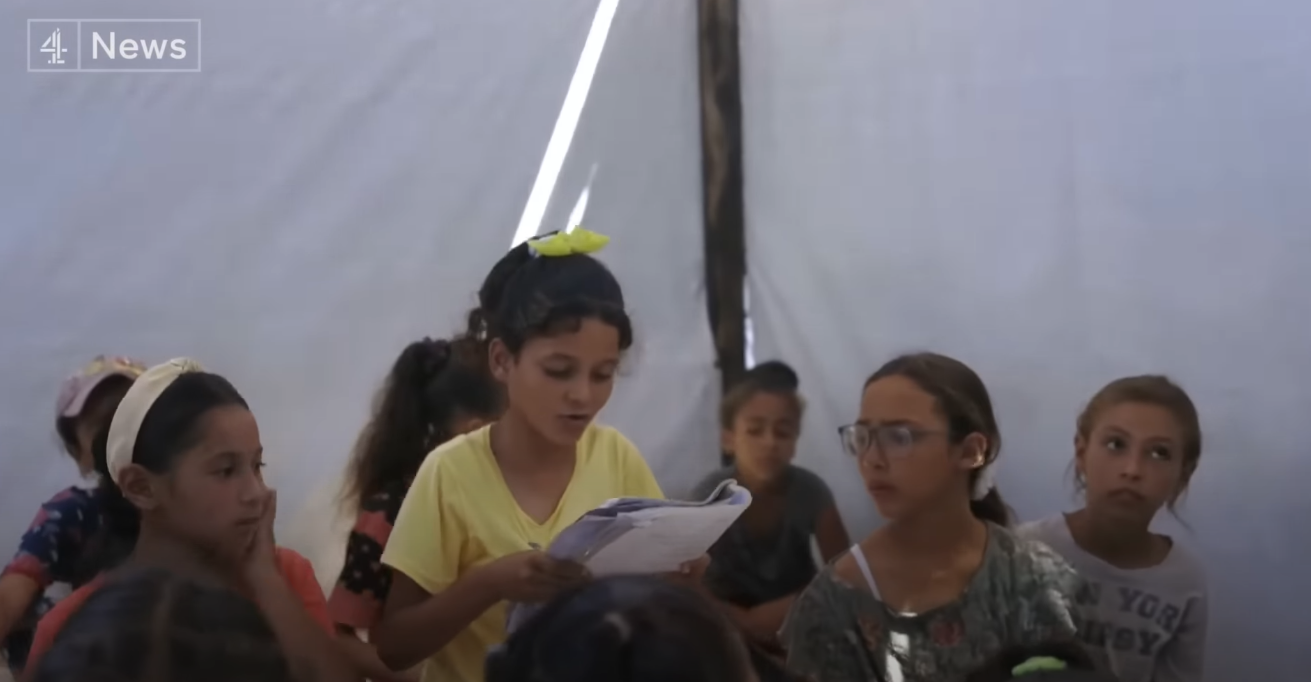
उसके मां-बाप जब जिंदा थे तो उसे ये सब सोचने की जरूरत नही थी। पर अब वो हैं नही और उसे अपनी छोटी बहन का भी तो ख्याल रखना है। दिन भर की जूझ के चलते यज़न का स्कूल तो अब छूट चुका है, लेकिन वो अपनी बहन को जरूर से कैंप मे चल रहे एक अस्थायी स्कूल में भेजता है। यास्मीन बड़ी होकर एक डेंटिस्ट बनना चाहती है। उन लाखों बच्चों के लिये, जिनकी जिंदगियां जंग ने तबाह कर दी है, जिनके स्कूल हमलों में धराशायी हो गये हैं, ऐसे अस्थायी स्कूल कुछ घंटों के लिये ही सही बच्चों को अपनी पुरानी खुशनुमा जिंदगी का एहसास दे जाते हैं। 


लेकिन यज़न भी है तो आखिर एक बच्चा ही जिसे फुटबाल और पतंगबाज़ी का शौक है। वो स्कूल नही जा पाता तो क्या; शाम को असीमित आसमान में अपनी बनाई पतंग उड़ाते हुए वो सब कुछ भूल सा जाता है। हल्का हो जाता है मन उसका पतंग की तरह। वो पतंग जो उड़ भी रही होती है और अपनी जड़ से भी जुड़ी रहती है। लेकिन यज़न और यास्मीन को अपनी जड़े फिर से जमानी होंगी। क्या वो ऐसा कर पायेंगे? क्या आसमान से बरसती आग उनके उस कैंप को छोड़ देगी?


https://www.youtube.com/watch?v=S871wBrfd7s

Sunday, May 8, 2022

हमारा डर


अंधेरे हमें नहीं डराते, 

हम उजालों से डरते हैं 


गुलामी की तो आदत है हमें 
हम आज़ादी से डरते हैं 

सरेआम किसी का काटा जाना 
उतना नहीं डराता हमें 
जितना हम बीच सड़क   
प्यार के इज़हार से डरते हैं

चालीसा तो डर के पढ़ते ही थे 
इन दिनों हम अज़ान से भी डरते हैं  

हम भीड़ से डरते हैं 
हम तन्हा भी डरते हैं 

हम ख्यालों से डरते हैं 
हम सवालों से डरते हैं 

हम सपनों से डरते हैं 
हम अपनों से डरते हैं 

हम कहने से डरते हैं 
हम सुनने से डरते हैं 

हम जीने से डरते हैं 
हम मरने से डरते हैं   

हमारे इसी डर पर ये निकम्मा निजाम टिका हुआ है
हम शायद ये बात जानते तो हैं, 
फिर भी डरते हैं। 

Tuesday, September 8, 2020

कैसा-कैसा जाना

आजकल कुछ टीवी सीरीज्स कई ऐसी वैज्ञानिक कल्पनाओं को सामने रख रहे हैं, जहां‌ इंसान अपनी मृत्यु के बाद भी किसी ना किसी रूप में बना रहता है। Black Mirror नाम की सीरीज के एक ऎपीसोड में तकनीक इस स्तर पर पहुंच गई है जिसमें एक मरे हुए इंसान की खूबियों को एकदम उस जैसी ही दिखने वाली एक साफ्ट मशीन में डाल दिया जाता है। इन खूबियों से जुड़ी जानकारियों को इंटरनेट व उस व्यक्ति के डिजीटल फूटप्रिंट्स से इकठ्ठा किया जाता है। वो मशीन ठीक उस इंसान की तरह ही बोलती है, चलती है, व्यवहार करती है। हां, क्यूंकि मशीन है, इसलिये सो नही सकती। पर साथ वालों को अजीब ना लगे, इसलिये चुपचाप आंख बंद कर पड़ी रहती है। एक दूसरी सीरीज Upload में अगर कोई चाहे और उसकी जेब में पैसे हों तो मरने से पहले अपनी consciousness (चेतना) किसी कंपनी के सर्वर पर upload कर सकता है। इस जीवित चेतना को एक virtual अवतार दिया जाता है और रहने के लिये एक virtual दुनिया। जो जितना ज्यादा पैसा खर्च करेगा, उसके लिये उतनी ही बढ़िया व्यवस्था की जायेगी। मरने वाला या तो मरने के पहले ही इस व्यवस्था के लिये पैसे दे चुका होता है या फिर उसके जीवित घर वाले हर महिने उसके रहने-खाने (virtual) का खर्च (असली रुपयों में) उठाते हैं।

खैर कौन जाने भविष्य के गर्भ में क्या छुपा है।  फिलहाल के लिये तो यही सच है कि जो आएगा, वो जायेगा। और जाने के बाद जिंदा रहेगा तो भी उसे याद करने और रखने वालों की यादों में।

मैं भी नीचे कुछ ऐसे लोगों को याद कर रहा हूं, जिनमें से कुछ को तो मैंने कभी नही देखा क्यूंकि वे मेरे पैदा होने से पहले ही गुजर गये। कुछ एक से मैं एक-दो बार ही मिला और कुछ के साथ कई बार, साथ में भी रहा।  

1996 की बात है। मेरी सबसे बड़ी बुआ, जिन्हें मैं दादी कहता था, नौरोज़ाबाद के कालरी अस्पताल में‌ भर्ती थीं। उम्र उनकी चौसठ-पैंसठ के करीब थी और शरीर भारी। अच्छी सी थीं वो। हाथ का काफी काम जानती थी। मैंने भी उनसे सीखा था कुछ-कुछ। मैं दसवीं बोर्ड की परीक्षा देकर नतीजों के इंतज़ार में था। पिछली क्लास ही मैं इस अंग्रेजी मीडियम स्कूल में आया था। अंग्रेजी में पढ़ाए जाने वाले विषयों में कुछ समझ नहीं आता था तो मैं उन कक्षाओं को बंक मारकर क्रिकेट खेला करता था। मैं अच्छा खेलता भी था तो मुझे मज़ा भी आता था। शायद मुझे लगता था कि मैं वो कर रहा हूं जिसमें मुझे मज़ा आता है। मेरी परिक्षाएं इतनी अच्छी नहीं गई थीं। जो नतीजा आने वाला था, उसमें अगर क्रिकेट के मार्क्स मिलते तो शायद बेहतर होता।

मेरा घर अस्पताल से काफी करीब था, कुछ दो सौ मीटर की दूरी पर। मैं और मेरे दोनों छोटे-भाई बहन भी इसी अस्पताल में‌ ही पैदा हुए थे। छोटा सा कस्बा सा था नौरोज़ाबाद, डाक्टर, नर्सेस और बाकी स्टाफ सबको जानते थे। और उस पर मेरे चाचा  (असल में मेरे फुफेरे भाई और मेरी बुआ के इकलौते बेटे)  तो अफसर थे, लेकिन उससे भी कहीं ज्यादा शायद ये बात थी कि मेरे दादा-दादी (बुआ-फूफा) भी पहले काफी साल यहीं रह चुके थे और उनकी अपनी भी पहचान थी।  परिक्षाओं के बाद की एक सुबह मैं पर्सनल केबिन में दादी के पास अस्पताल में था। चाचा रात वहीं बिताकर नहाने-धोने के लिये घर गये थे। दादा जी वहीं अस्पताल में ही थे लेकिन लेटे हुए थे। शायद सो रहे थे।

दादी को रात भर शायद आक्सीजन पर रखा गया था। और सुबह जब नर्स आईं तो कुछ देर के लिये आक्सीजन हटा दी गई। या ऐसा ही कुछ हुआ था। मैं दादी के सामने ही बैठा था। बस वो और मैं। अचानक से उन्हें सांस लेने में दिक्कत होने लगी। मुझे कुछ समझ में आता, इससे पहले ही उन्होंने एक-दो बार मुंह खोलकर सांस लेने की कोशिश की और फिर एक तरफ लुढ़क गईं। मैंने झट दादाजी को जगाकर सब बताया, वो दादी के करीब गये और फिर उन्होंने समझाया कि दादी नहीं रहीं। उन्होंने मुझसे दादी के मुंह में पानी डालने को कहा। मैंने पहली बार किसी को अपने सामने मरते हुए देखा था। अस्पताल में क्या हुआ, ये तो मुझे ठीक से याद नहीं, पर मैं भागता हुआ घर गया था और चाचा जी को खबर दी थी। वो अपने आप को कोस रहे थे कि रात भर तो मां के पास रहे और फिर जब वो विदा हुईं तो उनके साथ नही थे। मेरे पापा भी शायद उस दौरान नौरोज़ाबाद में नही थे। दादा-दादी उन्हें बहुत मानते थे, कई मायनो में‌ शायद चाचा से भी ज्यादा। वो भी काफी खफा थे कि आखिरी समय में दादी के पास नही थे वो।

उन्हें जाते बस मैंने देखा, जिसने शायद सबसे कम दुनिया देखी थी। जब मेरा नतीजा आया तो अंग्रेजी में 100 में से 38 नंबर लाने के बावजूद मैं पास हो गया था। कई दिनों तक तो मैं इसका श्रेय मरने वाले के मुंह में आखिरी बार पानी देने के अपने काम को देता रहा। वैसे असल में‌ मेरे पास हो जाने का और उसी स्कूल में 11वीं में एडमिशन पाने का असली कारण थीं मेरी गणित की टीचर, जो इन दिनों केरल में रहती हैं। इत्तॆफाक से उनकी अपनी मां भी दो महिने पहले गुज़र गईं। मैं उनके संपर्क में दोबारा से आया क्यूंकि मैं उनसे मिलने गया था उनके घर पर केरल।

मेरी बुआ दादी तो थोड़ा कष्ट लेकर गईं। पर मेरी असली दादी के जाने का किस्सा भी काफी अनूठा है। मेरी दूसरे नंबर की बुआ (पिछले साल जो गुजरीं) जो स्कूल में लेक्चरर थी कि नौकरी लगने के बाद, मेरे असल दादा-दादी और लाला जी (दादा जी के बड़ॆ भाई) परासिया से अपना बोरिया-बिस्तर समेट के पाली आकर रहने लगे (पाली और नौरोज़ाबाद की दूरी 10 किमी भी नहीं)। पापा तो पहले से ही उनके साथ रहते थे। बुआ के सरकारी घर के सामने ही सरकारी अस्पताल के डाक्टर्स क्वाटर्स थे। एक दिन मेरे ताऊ जी दादी को लेकर डाक्टर साहेब के घर बीपी चेक करवाने के लिये गये। डाक्टर अंकल मेरे स्कूल के बहुत अच्छॆ दोस्त के पिता जी। अब तो उन्हें गुजरे भी बहुत साल हो गये। जीवन में कम मानसिक कष्ट नही देखे उन्होंने। उनके चार बच्चे थे; तीन लड़के और एक लड़की।  मझला लड़का बचपन में कहीं गायब हो गया। शादी-शुदा बड़ा लड़का पानी में डूब के मर गया।

खैर, बीपी चेक करने के बाद डाक्टर साहब दादी के साथ हंसी-मजाक कर रहे थे। दादी भी हंस रही थी। और फिर अचानक से एक ओर लुढ़क गईं। वो मर गई थीं, हंसते-हंसते। मेरे ताऊ जी को डाक्टर की बात पर यकीन नही हुआ और उन्होंने एक चांटा उन्हें दे मारा कि मां तो एकदम ठीक थीं, फिर कैसे?  

मैंने अपने दादा-दादी और नाना को नहीं देखा। लेकिन नानी से दो बार मिला। वो बक्सर बिहार में रहती थीं। पूजा-पाठ, धर्म-कर्म, दायरे-समाज मानने वाली महिला थीं। लेकिन मजबूत थीं। मेरी मां की शादी हो जाने के बाद चुपचाप बक्सर बिहार से मेरी मां और उनका घर-संसार देखने आईं और घर के सामने से देखकर चली गईं - अकेले।  

काफी बड़ा घर था मेरे नाना-नानी का। मेरी मम्मी के दादाजी अंग्रेजों के मुलाजिम थे - नहरों के ओवर्सीयर। काफी ज़मीन थी, चावल और तेल मिल तो घर के बड़े से अहाते ही मे थीं। अहाता इतना बड़ा कि  क्रिकेट का मैच हो जाये। अब सब जाता रहा है। बिहार में अब कोई नहीं रहता - मां के परिवार का। बाहरी लोग थे (पंजाब के) तो वहीं लौट गये हैं। कुछ साल पहले मम्मी को लेकर हम सब गये थे बनारस से उनका घर दिखाने। समय के साथ उनका गांव धनसॊईं भी इतना बदल गया कि मम्मी कॊ काफी समय लगा अपना घर ढूंढनें में। पूछना पड़ा लोगों से। अब उनके घर में एक पूरा स्कूल चलता है। मुझे अपना मम्मी के साथ जाना सफल लगा क्यूंकि इत्तेफाक से मम्मी को बचपन की अपनी सबसे पक्की दोस्त सीता मौसी वहां उसी दिन मिल गईं। वो भी आईं हुई थीं उसी दौरान। हम ऐसे ही पूछते-पूछ्ते उनके घर पहुंच गये और फिर तो खुशी के आंसुओं की झड़ी लग गई।

मैं छोटा ही था, शायद दूसरी कक्षा में पढ़ता था, हम लोग गर्मी की छुट्टियों में नानी के घर गये। इत्तेफाक कुछ ऐसा हुआ कि मेरी मौसी और कई मामा-वगैरह भी पहुंचे हुए थे। घर पर रौनक लगी हुई थी। मेरी नानी काफी खुश थी, उनकी सभी नहीं तो ज्यादातर संतानें सामने थीं। रात में बहुत अच्छे से उन्होंने खाना खाया, दाल-रोटी (पंजाबियों का डिनर); दाल तो दो कटोरी। हम सब बच्चे छत पर सोने के लिये चले गये। लेकिन बीच रात में नीचे से रोने की आवाजें आने लगीं। पता चला कि नानी गुज़र गईं थीं। खाना खाने के बाद उन्हें शायद थोड़ी बेचैनी लगी। उन्होंने लोगों से कहकर अपने कमरे के दरवाजे खुलवा दिये और सामने अलमारी में रखे अपने भगवान के पट भी खोलने के लिये कहा। बस, वही देखते-देखते चली गईं।

इन सब जाने वाले लोगों में से जिस एक व्यक्ति का जाना मेरे लिये सबसे ज्यादा दु:खद था वो था मेरे बड़े चचेरे भाई का। मैं बचपन और स्कूल के दिनों में उनके काफी करीब था। बाद के सालों में तमाम कारणों से हमारी बातचीत कम होती थी। पर जो भी हो, उसका काफी असर रहा मेरे जीवन और उसकी दिशा पर। 37 साल की उम्र में एक सड़क दुर्घटना में वो और उनका पांच साल का बेटा गुजर गये। एक पकी हुई उम्र में कोई जाये तो उतना कष्ट नही होता, जितना एक जवान मौत पर।

कुछ लोग एक बार में अचानक ही चले जाते हैं। पर कुछ ऐसे भी होते हैं जिनकी जान काफी मजबूत होती है, निकलती ही नही। हमारे मोहल्ले में एक बहुत बूढ़ी अम्मा थीं, पड़ोस का एक घर छोड़कर ही रहती थीं। कमर नब्बे अंश के कोण पर छुकी हुई थी, उम्र भी शायद उतनी ही रही हो, घुटने पकड़कर चलती थीं। मुझे उनकी याद है। कहते हैं वो बार-बार मर के जिंदा हो जाती थीं। शायद लोग उनकी बेहोशी को मृत्यु समझ लेते हों। खैर चली ही गई एक दिन वो; शरीर एकदम सूख के कांटा, बस सिलवटी चमड़ी और हड्डियां।

आईआईटी के दिनों में मेरे एक शिक्षक मित्र के पिता जी कैंपस में ही रात को सोते-सोते गुज़र गये। कोई फौरी दिक्कत नही थी। मस्त भीमकाय आदमी थे। सुबह खबर मिली तो हम भी शरीक हुए शोक मण्डली में।  अंकल तो गुज़र गये लेकिन एक व्यवहारिक दिक्कत थी। जिस कमरे में वो सोये थे उससे बाहर निकलने का बस एक ही दरवाज़ा था, जो कि एक संकरे से गलियारे में खुलता था। अंकल का शरीर काफी भारी और बड़ा था। कमरे से बाहर निकालकर खुली जगह में रखने में काफी दिक्कत हुई। मण्डली में सबसे जवान शायद मैं ही था तो इस उपक्रम में मैंने कुछ ज्यादा ही जोर लगा दिया। कई दिनों तक मेरी कोहनी दुखती रही। भैरव घाट में जहां अंकल को मुखाग्नि दी गई वहां लकड़ियां तुलवाते हुए एक दुबले-पतले महाशय दूसरे से कह रहे थे कि अंकल जी को घी कम लगेगा। सामने वाले का जवाब था - हां और आपके समय तो काफी चाहिये होगा।

Thursday, June 18, 2020

Examination in the Times of Corona

In our country, examinations have come to occupy a somewhat divine space in the public imagination. So much so that, young kids are raised with a determined focus of cracking one examination or the other. Not that assessments of some sort were not there in the traditional systems. But, the importance that mass-based standardized examinations are given in the modern education system is unprecedented.

Conducting examinations has become one of the core activities of the modern education system. In their normal functioning, schools and colleges conduct many examinations. Also, with the push towards a semester system which emphasize continuous mode of assessment, the frequency of examination has increased many-fold. Some argue that this system is best suited for learning as it comes with continuous feedback throughout the course of a semester. While, there are others who believe that too much of stress on examination is counterproductive, as true learning happens when the mind is free from any undue pressure associated with examinations.

We may not be interested in a detailed comparison of these traditions of thoughts. But, the peculiar, unprecedented, and uncertain situation which has arisen in the wake of a pandemic has forced all the temples of modern education to rethink and plan their teaching and assessment activities.

If we focus only on the higher educational institutes and examinations, there are many leading institutions in this country and the world which have promoted their students without conducting the due exams for the current semester. One would like to believe that the underlying feeling and thought behind this decision was that their students do not feel further pressurized in these times. At the same time, there are institutions who want their students to forget about their material and psychological conditions and to worry about the due date of the last assignment and the coming exams in online mode.

But what exactly are these conditions of our times?

Some of the conditions may be common like fear and anxiety of getting the disease, unequal access to the required devices, electricity supply and internet connectivity. Whereas, there could be situations that are peculiar to the social location which could be geographic as well as socio-economic.

Think about a student from the hilly terrain having poor connectivity, whose family income has gone down the drain as the roadside Dhaba which his family manages is closed for the past two months; Similarly, there could be a student, whose house got damaged during the recent floods/cyclone and is living without electricity for many days in a makeshift camp; Or another, who is struggling because she is living in a region which is under lock-down for past one year. Near her village, an encounter between the security forces and the insurgents has just ended; Or try to imagine the one, who is struggling to focus on online instructions in a small house with many family members, some of whom require constant care.
To these cases, if one adds the students having disabilities of different kinds, who suffer because they lack support even in normal circumstances, then one is compelled to ask;

Do these students need examinations in these times? Do these institutions have resources to conduct online examinations while providing a level playing field to their students?

The answers to both these questions are a clear No.
Even the UGC guidelines on examination for the universities in view of Covid19 pandemic and subsequent lockdown, April 2020, suggest

Like the modes of teaching-learning, most of the universities follow the physical mode of examinations, with a few exceptions. On this aspect also, some of the universities lack adequate IT infrastructure for conducting online examinations. The hiring of private agencies for conducting online examinations also does not seem feasible... Therefore, keeping in view the basic infrastructure available at the level of the institutions and accessibility of the internet to the students, especially in remote areas, it is not feasible to uniformly adopt the online mode of examination at this juncture.”

As per the official data on the key indicators of household social consumption on education in India, National Statistical Office, in their 75th survey, conducted between July 2017 to June 2018, has reported that only 10.7% of the Indian households have computers and 23.8% have the facility of internet connection. These are overall figures with a large urban-rural divide and difference among various states. For a state like Assam, these numbers are 7.5% (rural 3.7%, urban 30.8%) and 17.0% (rural 12.1%, urban 46.9%), respectively.

In my opinion, these are the reasons why conducting examinations should not be a priority of any academic institution in these times. Many leading institutions who are concerned about the quality and academic integrity of any such process have rightly done so.

The decision of not conducting the due examinations have given their students immediate relief. And, have given these institutions an opportunity and time to think beyond the box. Not that it will necessarily lead to a system that is just, humane and equitable in the long run.

At this juncture, one may ask what should the publicly funded institutions, where the students come from diverse social backgrounds, do?

In my humble opinion, this crisis has given the public institutions an opportunity to focus on their role which they are supposed to play in society. These times have given us, the teachers, a unique opportunity to know our students in much better and humane ways, which can get reflected in the ways we adapt for teaching-learning and assessment in future.

For the time being, these institutions should tell their students, not to worry about their exams/marks/grades, take care of themselves, their families and friends in these difficult times, and think about the future and the possibilities it holds.

Let us not hold these young minds from imagining a world which is more just, humane and equitable. One way to make them care for these values is to show that WE care for them.

An edited version of this piece was published in The Assam Tribune (June 18, 2020)


Thursday, December 19, 2019

एक पिटता हुआ ख्वाब ... एक लड़ता हुआ ख्वाब

मैं कुछ नहीं
हूं सब कुछ बन जाना चाहता,
मुझे ये पूछकर मत बांधों कि
हूं मैं क्या बन जाना चाहता

और सबसे पहले तो
मत बांटो मुझे हिन्दू-मुसलमाँ में
मैं इंसान हूं, हूं इंसान रहना चाहता

मेरे भगवान को जरूरत नहीं
तुम्हारे मंदिरों-मस्जिदों की
वो मेरे दिल में रहता है
मैं उसे, हूं वहीं रखना चाहता

इक छात्
कहते हो तुम कि
हूं भविष्य देश का
मैं सड़कों पर उतर आया हूं कि
हूं देश बचाना चाहता   

हूं वो ख्वाब
जो पिट रहा है
पुलिस की लाठी से
पर जिद पर अड़ा है कि
टूटना नहीं चाहता

Monday, December 9, 2019

आपकी आदरणीय छात्रा

आपकी आदरणीय छात्रा - ऐसे ही खत्म किया मेरी भतीजी ने अपने स्कूल की परीक्षा में पूछे गये उस सवाल के उत्तर को जिसमें उसे अपने स्कूल की प्रधानाध्यापक को बीमारी के चलते दो दिनों की छुट्टी के लिये पत्र लिखना था। हिंदी में लिखे इस पत्र में मात्राओं की कुछ गलतियां थीं, कुछ जगहों पर वो कुछ शब्द भूल गई थी। ऐसी तमाम जगहों पर अपनी लाल कलम से उसकी शिक्षिका ने निशान बनाते हुए सही हिज्जे व मात्राएं लिख दी थीं। साथ ही मात्राओं के हिसाब से एकदम सही 'आपकी आदरणीय छात्रा ' वाले हिस्से में आदरणीय को काटकर आज्ञाकारी भी लिख दिया।

जब पहली बार मेरी नजर इस सही किये गये पत्र पर पड़ी तो मैं आखिरी लाईन पर आकर अपनी हंसी नही रोक पाया। लेकिन जब बाद में मैं इसपर सोच रहा था तो कई बातें दिमाग में आईं। सबसे पहले तो मुझे अपना स्कूली जमाना याद आ  गया जब मैं और मेरी साथी भी ऐसे ही पत्र लिखा करते थे। आम तौर पर वो सभी पत्र लगभग एक जैसे ही हुआ करते थे। उन पत्रों में किसी तरह की मौलिकता का होना असंभव सा था। फिर एहसास हुआ कि शायद आज भी असंभव ही है - कम से कम अपनी भतीजी के रंगे हुए पत्र की भाषा को देखकर ऐसा ही लगता है।

बेदर्दी से काटे गये आदरणीय, जोकि छात्रा के आगे लिखा हुआ था और जिसे काटकर आज्ञाकारी लिख दिया गया था, को देखकर दिमाग में एक सवाल आया कि क्या एक छात्र अपने शिक्षक का केवल आज्ञाकारी हो सकता है, आदरणीय नहीं?  संभव है कि मेरी भतीजी को पत्र लिखते समय आज्ञाकारी शब्द याद ना आया हो, जिसे उसकी शिक्षिका ने याद करवाया था, और उसने अनजाने और अपने भोलेपन में ही आदरणीय शब्द लिख दिया हो। और वैसे भी कोई इस तरह से लिखकर तो किसी का आदर नही पा सकता। और नाही लिख देने मात्र से कोई किसी का आज्ञाकारी हो जाता है। लेकिन अमूमन शिक्षक अपेक्षा करते हैं कि बच्चे उनके आज्ञाकारी हों। आज्ञाकारी होने का मतलब जो नियम-कायदे हैं, उनके दायरे में ही रहें।

ऐसी अपेक्षाएं परिवारों व समाजों में भी बच्चों या युवाओं होती हैं। और बात अगर लड़किओं या युवतियों की हो तो अपेक्षाएं कई गुना बढ़ जाती हैं। अपेक्षाएं बढ़ने का मतलब हुआ नियम-कायदों का बढ़ना, दायरों का और सिमटना।

बात अगर उच्च शिक्षण संस्थाओं तक ही सीमित रखी जाए तब भी इन सिमटे हुए दायरों को साफ-साफ देखा जा सकता है, जहां लड़कों‌ और लड़कियों के लिये नियम व कायदे अलग-अलग हैं।

1933 में कमला भागवत नाम की एक बीस साल की युवती को उस समय के IISc के निदेशक व नोबेल पुरुस्कार विजेता सर सी. वी. रमन ने मात्र इस वजह से IISc में दाखिला देने से इंकार कर दिया था क्यूंकि वो एक लड़की थी। उनका और उन जैसे तमाम लोगों का यह मानना था कि वैज्ञानिक शोधकार्य औरतों का कार्यक्षेत्र हो ही नही सकता। IISc के दायरे में लड़कियों की मनाही थी। लेकिन कमला भागवत ने इस दायरे को तोड़ा। आज्ञा की अवमानना करते हुए सत्याग्रह करने की बात पर अड़ जाने के बाद आखिरकार सर सी. वी. रमन को उन्हें दाखिला देना पड़ा। कमला भागवत की यह लड़ाई सिर्फ दाखिले की नहीं बल्कि सम्मान और आदर की लड़ाई थी। वो यह मांग कर रही थीं कि सिर्फ लड़की होने की वजह से उनका अनादर ना किया जाए।

लेकिन ये तो बात हुई आज़ादी के पहले के भारत की। आज आज़ादी के सत्तर साल बाद भी सम्मान और आदर की लड़ाई, दायरों को फैलाने की लड़ाई जारी हैं। सोने का ही सही, पिंजड़ा पिंजड़ा होता है। कमला भागवत तो अकेली थीं, आज देश के तमाम उच्च संस्थानों की युवतियां एक साथ मिलकर अपने ऊपर थोपे गये दायरों को तोड़ने की लड़ाई लड़ रही हैं। जीत किसकी होगी, इसमें किसी को शक नहीं होना चाहिये।

सायरन

एक वीडियो Whatsapp पर फैल रहा है
बांटा जा रहा है
मित्रों‌ के बीच
एक ग्रुप से दूसरे ग्रुप में

शुरु कहां से हुआ होगा
ये तो मुश्किल है बताना
पर मंशा क्या रही होगी उनकी?
उस पर शायद कुछ
सोच पाएं हम-आप

पर पहले
वीडियो में था क्या
यह तो बतला दूं

पुलिसिया सायरन के साथ
सड़क पर दिन-दहाड़े
दौड़ रही कई खुली गाड़ियां
हवा में बड़ी गनें लहराते
कई वर्दीधारी

दूसरे दृश्य में
एक बोरी से आधा निकला हुआ
नीले कपड़ों मे
अधमरा सा एक इंसान
एक खाकी दरी में ज़मीन पर
औंधे मुंह लेटा हुआ है

तीसरा दृश्य
एक वर्दीधारी अपनी
आटोमैटिक गन के साथ
उसके सर पर निशाना लगाए
खड़ा दिखता है
निशाना गर्दन पर
ठाएं की एक आवाज के साथ
बंदूक चलती है

पहली गोली में
जान नही निकलती
तो दूसरी चलती है
इस बार खून भी दिखता है
लेकिन जान अब भी बाकी है
तो तीसरी चलती है
अब शरीर में
हरकत नहीं होती

चौथा दृश्य
शरीर को एक क्रेन से
बांधकर
बीच सड़क पर
लटका दिया जाता है

जो कुछ घट रहा है
वो सिर्फ उन लोगों
की खुराक के लिये
बस नहीं
जो साक्षात वहां मौजूद हैं
सब कुछ कैमरे में
कैद कर रहा है कोई
वो कौन है
ये तो पता कर पाना मुश्किल है
लेकिन मंशा क्या रही होगी
उसकी?
उस पर शायद कुछ
सोच पाएं हम-आप

क्या चाहते हैं वे
जो अंजाम दे रहे हैं, ऐसी घटनाओं को
और फिर फिल्माते भी हैं अपने उस कृत्य को?

क्या चाहते हैं वे
जो फैला रहे हैं ऐसी घटनाओं के वीडियो?

क्या वे हमें
डराना चाहते हैं?
हमेशा डर के साये में
रखना चाहते हैं?
क्या वे इस डर के बहाने
कोई कानून बनवाना चाहते हैं?
या कोई चुनाव जीतना?

या फिर वे हमें
इस खुशफहमी में रखना चाहते हैं कि
हालात अभी यहां उतने भी बुरे नहीं
और साथ ही यह जताना भी कि
कहीं आ गए वो बंदूकधारी
तो जाने क्या हो?

या फिर

क्या वे चाहते हैं कि
इस तरह की घटनाओं के
हम आदी बन जाएं
ताकी जो कुछ अभी
यहां रात के अंधेरे में
होता है
कल जब दिन-दहाड़े
होने लगे तो
हमें कुछ अजीब ना लगे?

या फिर बात कुछ और है?
जिस पर
शायद कुछ सोच पाएं
हम-आप...

Monday, July 23, 2018

Over Bridge

कौन कहता है कि
उन्हें ख़बर नही,
वे तो चप्पे-चप्पे की
ख़बर रखते हैं;
वरना कैसे मंत्री जी के
आने के ठीक
एक दिन पहले
सड़क के तमाम
गड्ढे भर जाते?

७७७७७७७७७७७७

मंत्री जी चले गये
नये over bridge का
उद्घाटन कर;
बनकर तैयार खड़ा था
कई महिनों से,
अब फीता कट चुका है
मूहूर्त या शायद चुनाव देखकर;
बाजू वाली पुरानी सड़क,
अपने सीने पर लगे
नये पेबंद देखकर ही खुश है।

७७७७७७७७७७७७

आंधी आई, उड़ चला
टायलेट और हैंडपंप
के सामने हाथ जोड़े
मुस्कुराते खड़े
मंत्री जी की तस्वीर वाला
56 गज का होर्डिंग;
मंगरू ने कसकर उसे अब
सड़क किनारे अपनी
चूती मढ़ैया की
छत पर बांध लिया है;
मंत्री जी कहते फिर रहे हैं -
हमने गरीबों के सर पर छत दी है।

७७७७७७७७७७७७

मंत्री जी का मुखौटा
अपने चेहरे पर लगाए
एक इंसान जोर से चिल्लाया -
और नही तो क्या
मंत्री जी ने गरीबों के सर पर
छत दी है;
देखो तो ट्रेफिक सिग्नल पर
गुब्बारे बेचने वाली बातरा अब
मां‌ के साथ
फुटपाथ से उठकर
over bridge के नीचे
अपना डेरा जमा
धूप-बारिश से छुटकारा
पा चुकी है।

७७७७७७७७७७७७

तेज बारिश, टूटी सड़कें
सड़कों पर पानी,
मानो कयामत;
धम-धड़ाम की आवाज से साथ
पप्पू के लड़के की बाईक
फिसली-उछली,
और लड़का खुले सेप्टिक टैंक में
समा गया;
मंगरू, बातरा और उसकी मां
दूर खड़े ही ये सब देखते रहे;
कितने बेदिल होते हैं
ये सड़कों पर रहने वाले लोग।

७७७७७७७७७७७७

लाश निकाल दी गई
टैंक से
बड़ी दिक्क्त हुई
उन दो बाल्मीकियों को भी
जिन्होंने जीवन भर
मल से बजबजाते
सेप्टिक टैंकों
में गोते लगाए हैं;
सौ रुपए मिले उन्हें इस काम के,
पप्पू से लेकर पुलिस वालों ने दिये;
सेप्टिक टैंक तो अब भी खुला हुआ है,
हां मंगरू की मढ़ैया
पुलिस वालों ने हटवा दी और
बातरा का कुछ अता-पता नही।

७७७७७७७७७७७७


Sunday, June 24, 2018

दुनिया बदलने का एक रास्ता

मीठी इन दिनों अपनी बातों से
दुनिया बदलने का
एक रास्ता सुझा रही है...

उसे जब भी बाहर जाना
होता है, वो अंदर-अंदर
दोहराती है..
मुझे वो मम्मी और
निर्माली को बिबेक
कह कर बुलाती है...

सही है ना?

अंदर को बाहर और
बाहर को अंदर बनाया जाए..
मम्मी को पापा तो
पापा को मम्मी बनाया जाए..

पूरब को पश्चिम बनाया जाए और
उत्तर को दक्षिण..
दिन को रात बनाया जाए और
रात को दिन..

मालिक को मजदूर और
मजदूर को मालिक बनाया जाए..
Political को Personal और
Personal को Political बनाया जाए..

कुल मिला कर
इस दुनिया को
उल्टा कर,
सर के बल चलाया जाए...

Monday, June 11, 2018

पत्थर के बुत

बात उन दिनों की है जब मैं कानपुर में पढ़ा करता था। निर्माली का परिवार भी उन दिनों कानपुर शहर में ही रहा करता था। एक रात जब मैं उनके घर पर रूका तो सुबह-सुबह उनके घर पर साफ-सफाई का काम करने वाली सीमा से मुलाकात हो गई। उन्हें देखकर लग रहा था कि वो रात भर सोई नहीं हैं। बातों ही बातों में मैंने कारण जानना चाहा तो पता चला कि सिर्फ वो ही नहीं बल्कि उनकी बस्ती व शहर के दूसरे इलाकों में भी लोग रात भर नहीं सोए। क्यूं? क्यूंकि एक खबर फैल गई थी कि जो भी रात में सोएगा वो बुत (पत्थर की मूर्ति) बन जाएगा। याद नही मैंने उन्हें कुछ समझाने की कोशिश की या नहीं पर घर पर हम सभी लोगों को नींद से उठकर बिना बुत बने हुए देखकर शायद उन्होंने इस खबर के झूठ होने का अनुमान लगा लिया हो।

जब सीमा यह सब बता रही थीं तो सहसा मेरा ध्यान बचपन की उन दो घटनाओं पर चला गया जब ऐसी ही कुछ खबरें फैली थीं। पहली बार तो यह खबर चली कि भगवान की मूर्तियां दूध पी रही हैं। सारे के सारे गांव व कस्बे, जिनमें‌ हम भी शामिल थे, हाथ में दूध की कटोरियां व चम्मच लिये मंदिरों के सामने लाईन लगाए खड़े थे। दूसरी दफे, जब मैं शायद कक्षा छ: में था तो यह खबर फैल गई कि हरे पत्ते वाली सब्जियां खाने से मौत हो जायेगी। इसके साथ यह कहानी फैली कि एक सब्जियों से भरी गाड़ी ने एक नाग-नागिन के जोड़े को कुचलकर मार डाला है जिसकी वजह से अब हरे पत्तों पर नाग-नागिन की जहरीली आकृति उभर आई है। हम स्कूल जाते वक्त रास्ते में पड़ने वाले पेड़-पौधों की पत्तियां देखते जाते थे और सच में उनमें सफेद धारियां उभर आई थीं। लेकिन उनकी हकीकत कुछ और ही थी। उन दिनों ऐसी खबरें टीवी के माध्यम से खूब फैलती भी थी।

खैर जिन दिनों मैं कानपुर में था, मोबाईल फोन का जमाना आ चुका था; हां उन्हें स्मार्ट बनने में‌ अभी कुछ वक्त जरूर था। देश के मंत्रिगण देश में बढ़ती हुई मोबाईल धारकों की संख्या को विकास और प्रगति के एक सूचक के रूप में प्रस्तुत भी कर रहे थे। लेकिन सूचना का वैसा विस्फोट तब भी नहीं हुआ था जैसा सस्ते handsets internet packages के आज के इस दौर में संभव हो पाया है। आज के समय में आम लोगों के द्वारा सूचना को फैलाना कहीं ज्यादा आसान हो गया है।

पिछले साल ऐसे ही मेरे एक करीबी ने अपने नए स्मार्टफोन से अपने जानने वालों से एक संदेश साझा किया जो उन्हें किसी अन्य व्यक्ति ने भेजा था। मासूम व Unharmful से दिखने वाले इस संदेश के पीछे छुपे संकेत मासूम व Unharmful तो कतई नहीं है और एक गंभीर सामाजिक बीमारी की ओर इशारा करते हैं। जो संदेश उन्होंने साझा किया वो साथ की तस्वीर में देखा जा सकता है। अजूबे के तौर पर पेश किये गये इस संकेत को सब को दिखाने की बात भी की गई है।

जब यह संदेश मैंने देखा तो महिनों मे होने वाले दिनों के जोड़ के हिसाब से मुझे उसमें कुछ गड़बड़ी सी लगी। मैंने कैलेंडर उठाया और पड़ताल शुरु की। एक जनवरी 2017 को सच में रविवार था। लेकिन जैसे ही मैं अगले महिने यानी कि फरवरी पर पहुंचा तो संदेश के गलत होने की बात पुख्ता हो गई क्यूंकि दो फरवरी 2017 का दिन गुरुवार था। और तो और संदेश में दी गई बाकी सभी तारीखों के दिन भी रविवार नहीं थे।

ये पड़ताल बहुत सी बातें उजागर करती है। ये संदेश सच है भी या नही, इस बात कि जांचने के लिये घर की दीवार पर टंगे कैलेंडर को पलटना भर था। लेकिन जाहिर है जिन लोगों ने भी इस संदेश को आगे बढ़ाया उन्होंने ऐसा नहीं किया वर्ना वे इसे आगे नहीं साझा करते। लेकिन उन्होंने ऐसा क्यूं नहीं किया? क्या किसे भी लिखी हुई बात का यकीं हम आसानी से कर लेते हैं?

देखने-समझने व सोचने वाले लोग इन उदाहरणों से काफी कुछ निकाल सकते होंगे लेकिन एक बात जो इनसे साफ झलकती है कि हमारा समाज मुख्य तौर पर एक गैर-तार्किक समाज सा नज़र आता है। सही व गलत को परखने का नजरिया व कोशिश इसमें बहुत ही कम दिखाई देती है।

दूसरे शब्दों में कहें तो हमारे समाज में वैज्ञानिक दृष्टिकोण का एक गहरा अकाल सा फैला हुआ है। वैसे यह जानकारी भी कोई नई नही है। भारतीय सविंधान इस मायने में शायद दुनियां का इकलौता ऐसा संविधान है जिसमें एक वैज्ञानिक दृष्टिकोण को विकसित करना नागरिक कर्तव्यों में शुमार किया गया है। जिस समाज में चोरी होती हो उसी में चोरी के खिलाफ कानून बनता है, वैसे ही जिस समाज में वैज्ञानिक दृष्टिकोण का अकाल हो वहीं के संविधान में ऐसी बात लिखे जाने की संभावना बनती है।1

फेक न्यूज या झूठी खबरों के चक्कर में तो अच्छे-खासे पढ़े-लिखे, खाए-पिए लोगों से लेकर जनता के प्रतिनिधी, अधिकारी, प्रभावशाली व्यक्तित्व भी दिख जाते हैं। ऐसे में एक समाज जिसमें शिक्षा का प्रसार काफी कम है और तार्किक शिक्षा का तिस पर भी कम तो रोजमर्रा की जद्दोजहद से जूझ रहे किसी आम व्यक्ति से कैसे उम्मीद की जाए कि वो तमाम मिलने वाली सूचनाओं‌ की जांच-परख करेगा।

और ऐसे समाज में जब तार्किक शिक्षा की बजाए तकनीक का विस्तार होता है वो भी 'cheap data’ के तौर पर तो उसका कैसा सामाजिक-राजनीतिक असर होगा?

संविधान में शुमार होने के बावजूद इतने वर्षों में इस वैज्ञानिक दृष्टिकोण के अकाल के गहराने के संकेत यही दर्शाते हैं कि हमने अपनी जनसंख्या को और कुछ भी बनाया हो लेकिन नागरिक के तौर पर उसका विकास हम नहीं कर पाए। हम फेल हो गये।

स्कूल-कालेज-यूनिवर्सिटी व तमाम अकादमिक संस्थान जिनकी इस दृष्टिकोण को विकसित करने की जिम्मेदारी सीधे-सीधे बनती है, वे तमाम संस्थान फेल हो गये। हमने बड़ी-बड़ी पोथियां लिखीं, बड़े-बड़े कई सारे पर्चे छापे, लेकिन अंत में फेल हो गये। अगर मैं प्रसिद्ध शिक्षाविद कृष्ण कुमार के विचारों को सही समझ पाया हूं तो उनके शब्दों में गुलामी की शिक्षा को आगे बढ़ाने वाले ये तमाम संस्थान भारतीय समाज के रोजमर्रा के यथार्थ व उसकी जरूरतों से पूरी तरह से अलग हो चुके हैं। इतने अलग कि वे स्वयं अपने भीतर ही अवैज्ञानिकता को ही बढ़ावा दे रहे हैं। ऐसे में यह कह देना कि सिर्फ अनपढ़ या कम पढ़े-लिखे लोग या सामाजिक हिस्से ही ऐसे उदाहरणों के पीछे हैं गलत होगा।

कार्बी-अंगलोंग सरीखी घटनाओं के साथ हम लगातार फेल हो रहे हैं। जनता सरकारी तंत्र पर भरोसा नहीं करती, अपने हाथों ही फैसला कर देना चाहती है। जाहिर है जहां एक ओर हम नागरिकता व वैज्ञानिक दृष्टिकोण के संदर्भ में फेल हुए हैं तो दूसरी तरफ व्यवस्थाओं को जनता के प्रति जवाबदेह बनाने में भी असफल रहे हैं।

ये असफलताएं हमारे समाज को और ज्यादा बर्बर बना रही हैं। हम-आप सभी कभी भी इसके लपेटे में आ सकते हैं। चुपचाप खबरों को सामने से हटा देने का वक्त अब निकल चुका है।या फिर हम भी ऐसी किसी नींद में चले गये हैं जिसने हमें बुत बना दिया है।


1 सोचने की बात यह है कि क्या यह समाज हमेशा से ही ऐसा रहा है या फिर इसके कुछ तार्किक पहलू भी रहे हैं। एक ओर तो जहां इन दिनों बात है भारतीय ज्ञान परंपरा को आगे बढ़ाने की तो बुद्ध के तार्किक दर्शन या फिर फूले दंपत्ति के द्वारा चलाए गये सत्यशोधक समाज की परंपरा को हम कहां छोड़ आए हैं और क्यूं?